How to Find Your Personal Style: A Step-by-Step Guide
Personal style is not a trend or a uniform. It is a set of choices that makes you feel like yourself. Here is a practical, step-by-step method to define yours, shop with intention and dress with confidence every day.

Some people seem to get dressed without effort. Their outfits look different from one day to the next, yet you could recognize them from across the street. That is personal style: not a list of rules, not a celebrity uniform and not the latest viral trend, but a consistent way of choosing clothes that feels true to who you are and fits the life you actually live.
The good news is that personal style is not a talent you are born with. It is a skill, and like any skill it can be learned with a method. This guide walks you through that method step by step, from understanding what you already love to building outfits you will wear again and again, whether you live in Los Angeles, Toronto, Chicago or Montreal.
What personal style really means
Personal style sits at the intersection of three things: who you are, how you live and how you want to feel. A graphic designer who bikes to work, a nurse who changes into scrubs every morning and a lawyer who spends her days in meetings will not dress the same way, and they should not. Style that ignores your daily life ends up hanging in the closet with the tags still on.
It is also different from fashion. Fashion moves every season. Style evolves slowly. You can borrow ideas from trends, but your style is the filter that decides which ideas make it into your wardrobe and which ones stay on the runway.
Step 1: Look at what you already wear
The most honest information about your style is already in your closet. For two weeks, take a quick photo of every outfit you wear, or simply write it down. At the end, look for patterns:
- Which pieces did you reach for more than three times?
- Which colors keep coming back?
- Did you feel best in looser or more fitted shapes?
- Which items stayed untouched, and why? Too formal, uncomfortable, hard to match, not your size anymore?
This exercise often reveals a gap between the wardrobe you think you have and the one you actually use. Most people wear a small share of their clothes most of the time. Those favorites are the foundation of your style.
Step 2: Collect images that speak to you
Next, gather inspiration. Create a private board on Pinterest, a folder on your phone or a simple notebook with magazine cutouts. Save outfits you like without overthinking: street style photos, characters from movies, people you see on the subway, editorial shoots.
After 30 to 50 images, step back and look for what they have in common. You might notice that you keep saving neutral palettes with one bright accessory, oversized blazers, flowing skirts, clean sneakers or tailored trousers. Write down the recurring elements. Ignore the specific brands or prices for now; you are looking for shapes, colors, textures and moods.
Step 3: Define your style in three words
Stylists often use a simple exercise: describe your ideal style in three words. Combine what you saw in your closet and in your inspiration images. Examples:
- Relaxed, polished, warm for someone who loves soft knits, neat trousers and earthy colors.
- Bold, graphic, playful for someone drawn to strong prints and color blocking.
- Minimal, sharp, modern for someone who prefers clean lines and a black, white and grey palette.
- Romantic, vintage, feminine for lovers of florals, lace and midi dresses.
These three words become your filter. Before you buy something, ask whether it fits at least two of them. If it does not, it is probably not for you, no matter how good the deal is.
Step 4: Understand your lifestyle needs
A wardrobe has to work for your real week. Make a rough breakdown of how you spend your time: office, remote work, school runs, the gym, evenings out, weekends outdoors, travel. Then compare it to your closet. If 60 percent of your week is spent working from home and 40 percent of your clothes are cocktail dresses, something is off.
Climate matters too. In much of Canada and the northern United States, winter lasts several months, so coats, boots and layering pieces deserve a real place in your style thinking. A great winter look is just as much an expression of personal style as a summer dress. For practical tips on staying warm while looking put together, read our guide on how to dress for Canadian winter.
Step 5: Find your best colors
Color is one of the fastest ways to make an outfit feel like you. You do not need a professional color analysis to start. Stand near a window in daylight and hold different colored tops or scarves under your face. Some colors will make your skin look brighter and more even; others will make you look tired.
Then build a simple palette:
- Two or three base colors for big pieces such as coats, trousers and shoes: navy, black, camel, grey, olive or denim blue.
- Two or three accent colors that you love and that flatter you: for example emerald, rust, cobalt or blush.
- One or two neutrals for tops: white, cream, light grey or soft beige.
With a coherent palette, almost everything in your closet can be mixed together, which means more outfits from fewer pieces.
Step 6: Learn what silhouettes work for you
Forget strict rules about body types. Instead, experiment with proportions and notice what makes you feel comfortable and confident. A few principles help:
- Balance volume: a loose top often looks best with a slimmer bottom, and wide-leg trousers pair well with a fitted or tucked-in top.
- Define a waist when you want shape: a belt, a tuck or a cropped jacket can change the whole outfit.
- Mind the length: the hem of a jacket, skirt or pair of trousers changes how your legs and torso look. Try ankle-length, cropped and full-length styles to compare.
- Fit is everything: an affordable piece that fits well looks better than an expensive one that does not. A good tailor is one of the best style investments you can make.
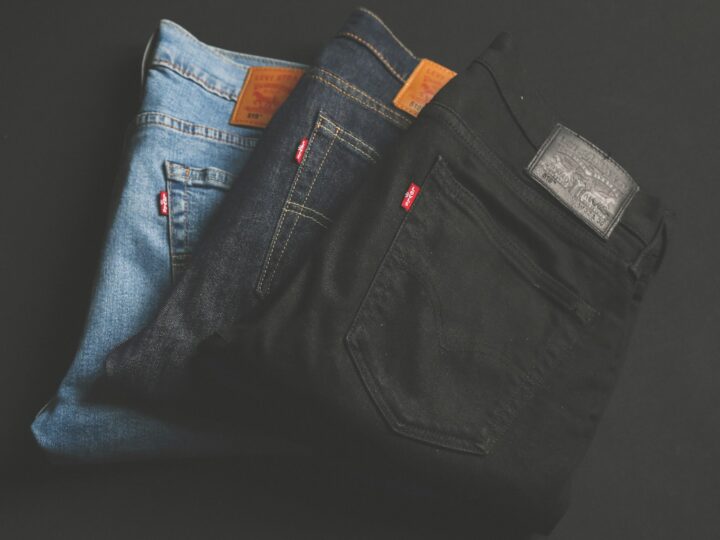
If you are not sure where to start, denim is an excellent test. Our guide on how to choose the right jeans explains rises, cuts and fits in detail.
Step 7: Build signature pieces
People with strong personal style often have a few signature elements: a red lipstick, round glasses, a leather jacket, gold hoops, a particular type of boot. These details make even simple outfits feel personal.
Choose one or two signature elements that match your three words. They can be accessories, a color, a specific cut or even a way of wearing something, like always rolling your sleeves or layering necklaces. Accessories are an easy place to start; for instance, the right pair of sunglasses can define a look, and our guide on choosing sunglasses for your face shape can help.
Step 8: Edit your closet
Now that you know what you are aiming for, it is time to edit. Take everything out, section by section, and sort it into four piles:
- Keep: pieces you love, that fit and match your three words.
- Alter: good pieces that need tailoring or repair.
- Maybe: items you are unsure about. Put them in a box for three months. If you do not miss them, let them go.
- Donate, sell or recycle: what no longer fits your body, your life or your style.
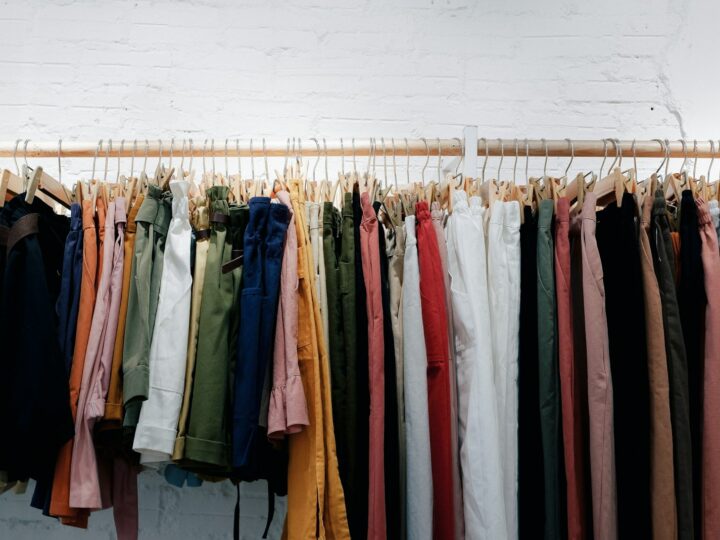
Editing makes room for clarity. When you open your closet and everything in it works, getting dressed becomes fast and enjoyable. If you want to take this further with a limited set of versatile pieces, see our practical capsule wardrobe guide.
Step 9: Create outfit formulas
Outfit formulas are repeatable combinations that always work for you. They save time and reduce decision fatigue. Some examples:
| Occasion | Formula |
|---|---|
| Work | Tailored trousers + knit top + loafers + structured bag |
| Weekend | Straight jeans + striped tee + sneakers + denim or utility jacket |
| Evening | Slip skirt + fitted sweater + ankle boots + statement earrings |
| Winter commute | Thermal layer + wool sweater + wide trousers + long coat + waterproof boots |
| Travel | Soft trousers + oversized shirt + comfortable sneakers + crossbody bag |
Write down your three to five favorite formulas and keep them on your phone. When you are short on time, pick one and swap the colors or accessories.
Step 10: Shop with intention
Once your style is defined, shopping changes. Instead of buying what is on sale or what everyone is wearing, you look for pieces that complete your formulas. A few habits help:
- Keep a running list of real gaps in your wardrobe and stick to it.
- Before buying, imagine three outfits you can make with the new piece using clothes you already own.
- Check the fabric, the stitching and the care label. Natural fibers and solid construction usually last longer.
- Calculate cost per wear: a coat at 300 dollars worn 150 times costs 2 dollars per wear; a dress at 60 dollars worn once costs 60.
- Wait 48 hours before any impulse purchase.
Sales can be useful if you follow a plan. Our article on how to shop fashion sales without overspending explains how to avoid regrets.
Step 11: Use trends as seasoning, not the main dish
Trends are fun, and there is no reason to ignore them completely. The trick is to treat them as seasoning. Pick one trend per season that genuinely fits your three words and adopt it through an inexpensive or easy piece: a color, an accessory or a shoe. If a trend clashes with your style, skip it without guilt; another one will come along next season.
Watching how red carpet looks filter into everyday wardrobes is a good way to spot which trends will last. Our feature on how red carpet fashion influences everyday style explains that process.
Step 12: Think about values and sustainability
For many readers, style is also about values: buying less, choosing better quality, supporting local designers, shopping second-hand or caring for clothes so they last. These choices can become part of your personal style just as much as color or shape. Thrift stores, consignment shops and resale apps are excellent places to find unique pieces that nobody else will be wearing. For more ideas, read our guide to building a sustainable wardrobe on a budget.
Step 13: Let your style evolve
Your style at 25 will not be the same as your style at 45, and that is how it should be. Life changes, bodies change, jobs and cities change. Revisit your three words once a year. Look at what you wore most, what you never touched and what you wished you had. Adjust your palette, your formulas and your signature pieces accordingly.
Common mistakes to avoid
- Copying someone else completely. Inspiration is great, but a style that belongs to someone else rarely feels comfortable.
- Dressing for a fantasy life. Buy for the week you have, not the one you imagine.
- Ignoring comfort. If shoes hurt or a fabric itches, you will not wear them. Comfort is part of good style. See our tips on comfortable shoes for all-day wear.
- Buying too fast. Building a style takes months, not a weekend.
- Forgetting grooming and care. Pressed clothes, clean shoes and well-kept hair do more for an outfit than any new purchase.
Quick checklist
- Track what you wear for two weeks.
- Collect 30 to 50 inspiration images.
- Choose your three style words.
- Define a color palette of base, accent and neutral shades.
- Experiment with silhouettes and fit.
- Pick one or two signature elements.
- Edit your closet into keep, alter, maybe and donate.
- Write down three to five outfit formulas.
- Shop with a list and think in cost per wear.
- Review your style once a year.
Frequently asked questions
How long does it take to find your personal style?
Most people see a clear direction after a few weeks of tracking and collecting inspiration, but a wardrobe that fully reflects your style usually comes together over six months to a year, as you replace pieces gradually.
Do I need to spend a lot of money?
No. Personal style is mostly about editing and combining. Many people discover that they need fewer, better-chosen pieces, and second-hand shopping makes quality affordable.
Can I have more than one style?
Yes. Many people have a work style and a weekend style. What matters is that both feel like you and share some common elements, such as your color palette or signature accessories.
What if my style does not match current trends?
That is fine and often a sign of a strong personal style. Timeless choices age better than trend-driven ones, and you can always add one trendy detail if you want to feel current.
Labobuzz shares general style information. Prices and examples are given for illustration only.