
Building a Sustainable Wardrobe on a Budget
Buy less, wear more, shop secondhand, repair and care well: practical ways to build a more sustainable wardrobe without spending more.
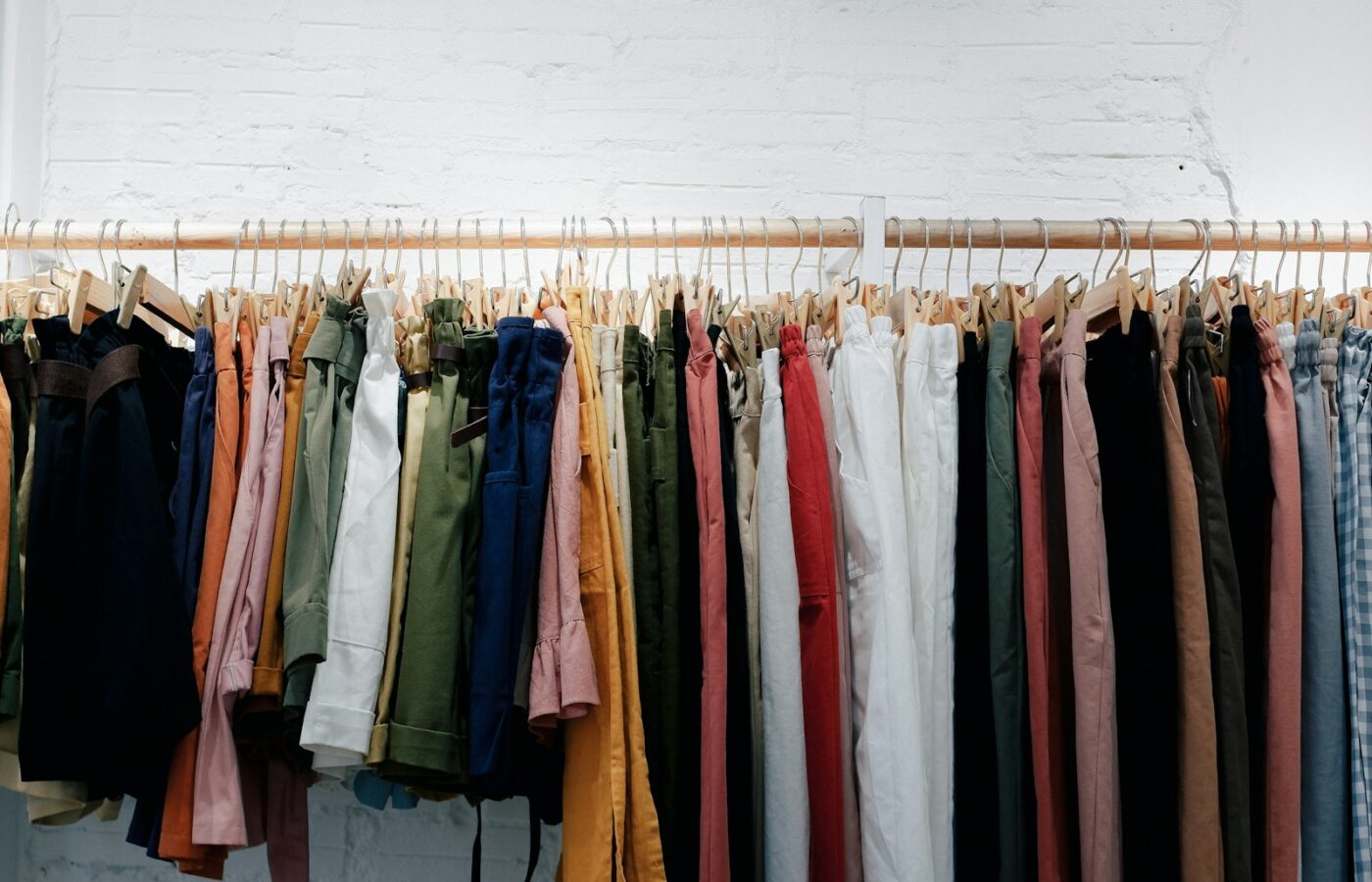
The most sustainable wardrobe is mostly the one you already own. Wearing clothes longer, buying secondhand, repairing and caring for pieces properly, and choosing fewer, better items reduce both waste and spending. You do not need to replace everything with expensive eco brands to make a difference.
1. Start with cost per wear
Divide a garment’s price by how many times you will realistically wear it. A $120 coat worn 150 times costs less per wear than a $30 top worn three times. This habit naturally steers you toward durable, versatile pieces.
2. Shop secondhand first
- Thrift and charity shops for basics and denim.
- Consignment stores for designer and outerwear.
- Resale apps and local marketplaces for specific items.
- Clothing swaps with friends or community groups.
Check seams, zippers and fabric pilling before buying, and know your measurements so you can buy online with confidence.
3. Buy new with intention
- Choose versatile colors that match what you own.
- Check fabric and construction: even stitching, sturdy buttons, generous seams.
- Look for recognized certifications rather than vague claims. Examples include GOTS for organic textiles and OEKO-TEX STANDARD 100 for testing against harmful substances.
- Be skeptical of words like “eco” or “conscious” without details.
4. Make clothes last
- Wash less often and in cold water; air-dry when possible.
- Follow care labels, especially for wool and delicates.
- Learn basic repairs: sewing a button, fixing a hem, de-pilling knits.
- Use a tailor for alterations that turn an unworn piece into a favorite.
5. Rent or borrow for one-off events
Formal wear for a wedding or gala is often worn once. Renting or borrowing saves money and closet space.
6. Let go responsibly
Resell or donate clothes in good condition. Many municipalities and retailers in Canada and the US run textile collection programs for worn-out items; check what your local program accepts.
Quick plan for the next 3 months
- Audit your closet and list real gaps.
- Buy secondhand first for anything on the list.
- Repair or alter three pieces you rarely wear.
- Track what you wear most to guide future purchases.
Pair this with our capsule wardrobe guide and explore more sustainable fashion.