









Travel is exciting, but for many people it also brings a knot in the stomach: fear of flying, worry about missing a connection, crowded airports or simply the unknown. The good news is that travel anxiety responds very well to preparation and a few simple calming techniques.
What triggers travel anxiety?
- Fear of flying or turbulence
- Worry about delays, lost luggage or missed connections
- Crowds and noise in airports and stations
- Language barriers and unfamiliar places
- Being far from home or travelling alone
Before you go: reduce uncertainty
Much of travel anxiety comes from not knowing what will happen. Remove as many question marks as possible:
- Make a simple itinerary with addresses, confirmation numbers and transfer options.
- Check documents early. A valid passport and visas remove a major source of stress; see how to renew a Canadian passport.
- Read the official advisory for your destination on travel.gc.ca.
- Pack the day before using a checklist.
- Plan buffers: leave extra time for the airport and long connections.

Calming techniques that work anywhere
| Technique | How to do it | When to use it |
|---|---|---|
| Box breathing | Inhale 4 seconds, hold 4, exhale 4, hold 4; repeat | Security lines, take-off |
| Longer exhale | Breathe in for 4, out for 6 to 8 | Turbulence, waiting |
| 5-4-3-2-1 grounding | Name 5 things you see, 4 you feel, 3 you hear, 2 you smell, 1 you taste | Crowds, panic feelings |
| Muscle relaxation | Tense and release muscle groups from feet to shoulders | On the plane, at night |
| Short guided meditation | Downloaded audio, 5 to 10 minutes | Before boarding |
These are the same tools described in our guide to mindfulness and meditation; practising them at home makes them far more effective on the road.
Fear of flying: useful facts
Turbulence is uncomfortable but is something aircraft are designed to handle. Keeping your seatbelt fastened whenever seated is the main precaution. Many people feel better choosing an aisle seat or a seat over the wings, where motion is often felt less, and listening to the crew’s announcements, which explain what is happening.
On the day of travel
- Limit caffeine, which can amplify anxiety; see how much caffeine is safe.
- Eat a light meal and stay hydrated.
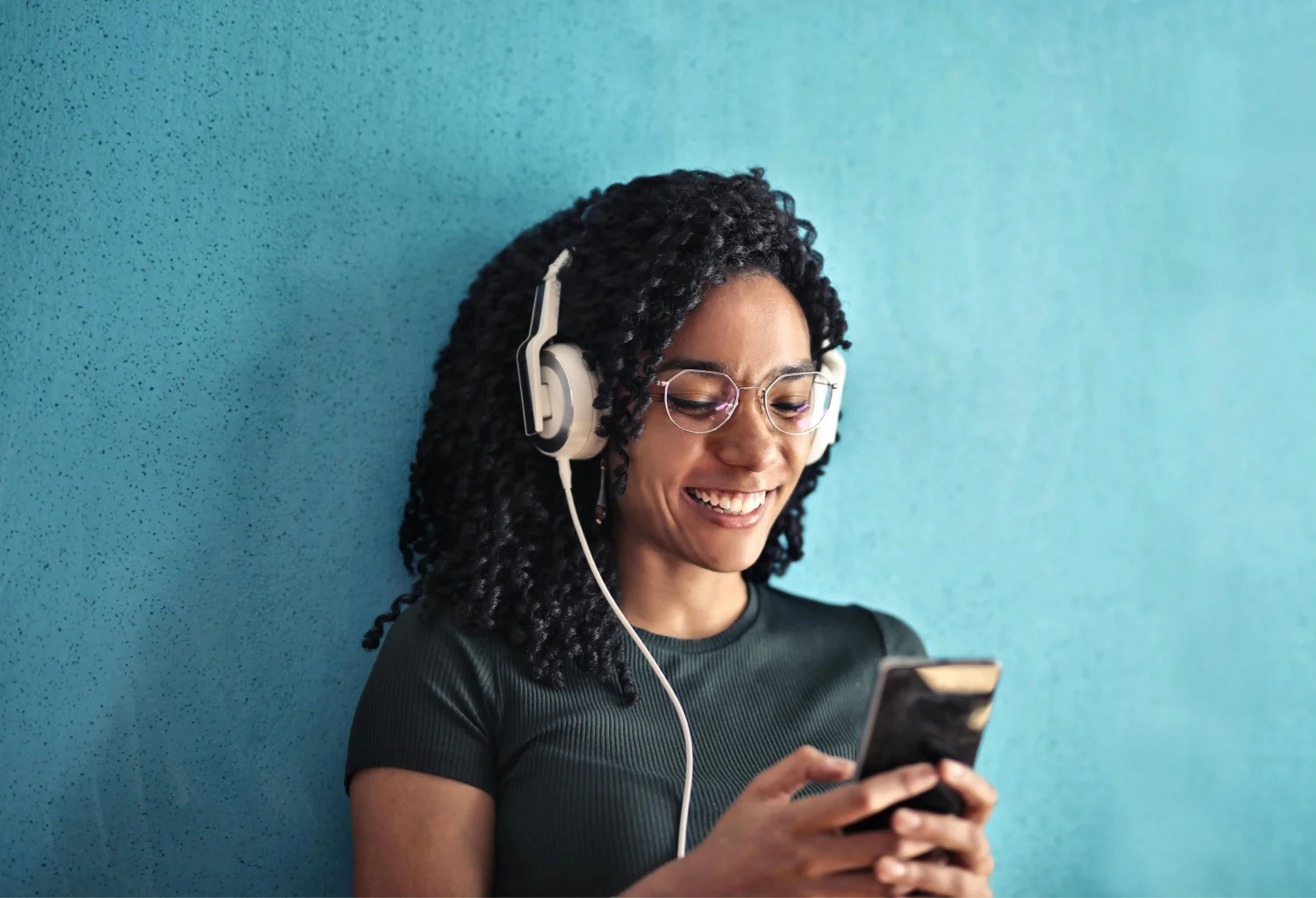
- Bring noise-cancelling headphones and a comfort playlist or podcast.
- Keep essentials in one easy-to-reach pouch: passport, phone, charger, medication.
Choose easier trips at first
If anxiety is strong, start with shorter, direct trips or slower options such as the train; our article on train travel in Canada is a good place to start. Travelling alone? Our solo travel guide has safety-focused tips.
If anxiety or panic attacks significantly limit your life, talk to a doctor or mental health professional. Effective treatments exist.
FAQ
Can travel anxiety be cured?
Many people reduce it dramatically through preparation, gradual exposure and techniques such as breathing exercises. Professional support can help when it is severe.
Should I take medication for flying?
That is a question for your doctor, who can assess your health and any interactions.
What is the best seat for nervous flyers?
Many prefer a seat over the wings and near the front, where motion and noise are often felt less.