
Retinol vs Vitamin C: What Each Ingredient Does for Your Skin
Retinol works at night on texture and signs of aging; vitamin C is a morning antioxidant for brightness. How they differ and how to use both safely.
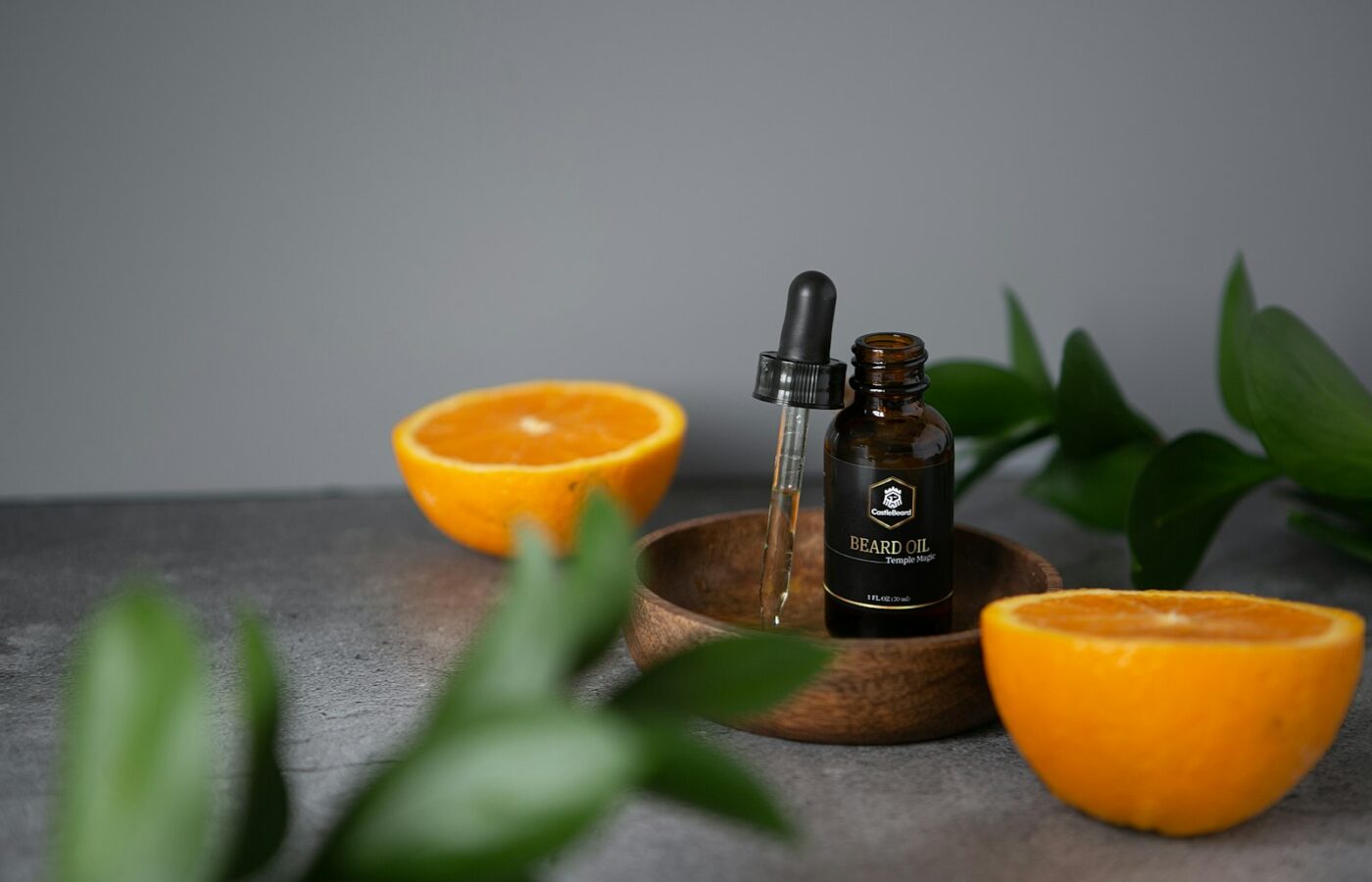
Retinol and vitamin C do different jobs. Retinol, a form of vitamin A, is mainly used at night to improve texture and the look of fine lines over time. Vitamin C is an antioxidant used in the morning, often for brightness and uneven tone. You do not have to choose: many people use vitamin C in the morning and retinol at night, introduced one at a time.
General information, not medical advice. If you are pregnant, breastfeeding or have a skin condition, ask a doctor before using retinoids.
Side by side
| Retinol | Vitamin C | |
|---|---|---|
| What it is | A retinoid (vitamin A derivative) | An antioxidant (often L-ascorbic acid or a derivative) |
| Main uses | Texture, fine lines, clogged pores | Dullness, uneven tone, antioxidant support |
| When | Evening | Usually morning, under sunscreen |
| Common side effects | Dryness, peeling, sensitivity at the start | Tingling; some forms irritate sensitive skin |
| Results | Gradual, over months | Gradual, over weeks to months |
How to start retinol
- Choose a low concentration and apply a pea-sized amount to dry skin two or three nights a week.
- Increase frequency slowly as your skin adjusts.
- Use moisturizer, and wear sunscreen every morning: retinoids can make skin more sensitive to the sun.
- Avoid using it on the same night as strong exfoliating acids at first.
- Stronger retinoids such as tretinoin require a prescription.
How to start vitamin C
- Apply a few drops after cleansing in the morning, then moisturizer and sunscreen.
- Pure L-ascorbic acid is effective but unstable; choose opaque, airtight packaging and replace a serum that turns dark orange or brown.
- If it stings, try a gentler derivative or lower concentration.
Can you use them together?
Yes, but usually not in the same step. The simplest approach is vitamin C in the morning and retinol at night. Start one product, wait a few weeks, then add the other.
Who should be careful
People with very sensitive skin, rosacea or eczema may react to both. Retinoids are generally avoided during pregnancy. Ask a doctor or pharmacist if you are unsure.
Build the basics first with our beginner skincare routine, and pair actives with the right moisturizer.