How to Choose the Right Haircut for Your Face Shape and Hair Type
The best haircut balances your face shape, works with your natural texture and fits your daily routine. Learn how to identify your face shape, which cuts flatter it, and how to talk to your stylist so you leave the salon happy.
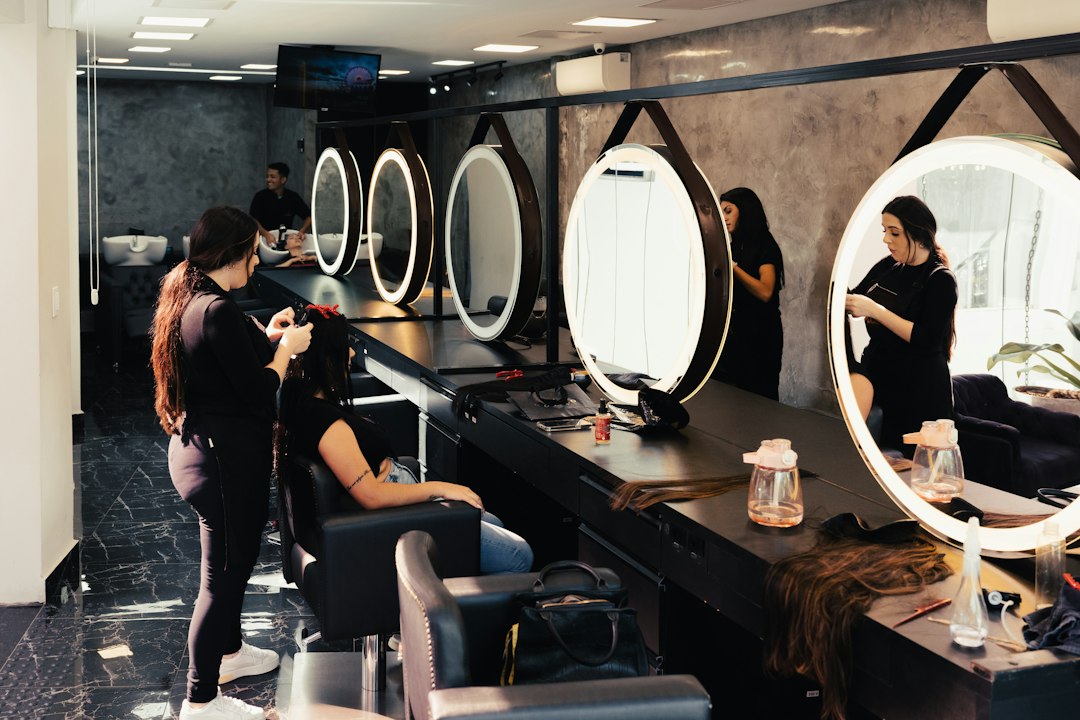
A great haircut can change how you feel about your whole look. A bad one can mean months of waiting for it to grow out. The difference usually has less to do with the stylist than with the choice itself: whether the cut suits your face shape, works with your natural hair texture and fits the time you are willing to spend on styling each morning.
This guide explains how to identify your face shape, which haircuts tend to flatter each one, why hair type matters as much as face shape, and how to communicate clearly with your stylist. It is written for readers in the United States and Canada, where salon prices, climates and hair care routines vary widely, so we also cover maintenance and seasonal factors.
Step 1: Identify your face shape
Pull your hair back, stand in front of a mirror in good light and look straight ahead. You can also take a photo with your phone held at eye level. Observe three areas: the width of your forehead, the width of your cheekbones and the shape and width of your jawline. Then look at the overall length of your face compared to its width.
| Face shape | Main features |
|---|---|
| Oval | Face slightly longer than wide, forehead a little wider than the jaw, softly rounded chin |
| Round | Length and width almost equal, full cheeks, soft jawline with few angles |
| Square | Forehead, cheekbones and jaw about the same width, strong angular jawline |
| Heart | Wide forehead and cheekbones, narrow pointed chin |
| Oblong or long | Face clearly longer than wide, forehead, cheeks and jaw similar in width |
| Diamond | Cheekbones are the widest point, narrower forehead and jaw |
Many people are a mix of two shapes, such as round-square or oval-heart. That is normal. Use the closest match as a starting point and adjust with your stylist.
Step 2: Understand the goal of a flattering cut
Hairstylists generally aim to create balance. A haircut can add width where a face is narrow, add length where it is wide, soften strong angles or add structure to soft features. It can also draw attention to what you love most, such as your eyes or cheekbones. Keep this principle in mind and the recommendations below will make sense.
Best haircuts for an oval face
An oval face is often called the most versatile shape because it is naturally balanced. Almost any length works, from a pixie to long layers. The main thing to watch is not hiding your face with very heavy bangs or volume that falls forward.
- Blunt bobs at chin or collarbone length
- Long layers with face-framing pieces
- Curtain bangs or side-swept bangs
- Pixie cuts, if you like a short and bold look
Best haircuts for a round face
For a round face, the goal is usually to add length and some angles. Cuts that fall below the chin and have vertical movement tend to elongate the face.
- Long bob (lob) that ends a few inches below the chin, ideally slightly longer in front
- Long layers starting at the chin or below
- Side part and side-swept bangs to break up the roundness
- Volume at the crown rather than at the sides
What to approach with care: chin-length rounded bobs and very full blunt bangs, which can emphasize width.
Best haircuts for a square face
Square faces have a beautiful strong jaw. Most stylists suggest softening the angles with texture, waves and layers rather than sharp lines at jaw level.
- Soft layers that start below the jaw
- Shoulder-length cuts with movement or waves
- Wispy or curtain bangs
- Side parts and asymmetrical styles
Very blunt cuts ending exactly at the jawline can make it look wider, so ask for a length slightly above or below.
Best haircuts for a heart-shaped face
With a wider forehead and a narrower chin, the aim is to add volume around the lower half of the face and balance the top.
- Chin-length or collarbone-length bobs with volume at the ends
- Side-swept or curtain bangs that soften the forehead
- Long layers that start at the chin
- Waves or curls concentrated from the cheekbones down
Best haircuts for an oblong or long face
For a longer face, haircuts that add width and reduce vertical lines work well.
- Bangs, from blunt to curtain, which visually shorten the face
- Shoulder-length or chin-length cuts with volume at the sides
- Waves and curls that create width
- Layered bobs
Very long, straight, one-length hair with a middle part tends to make an oblong face look even longer.
Best haircuts for a diamond face
Diamond faces have striking cheekbones. Cuts that add fullness at the forehead and jaw while showing off the cheekbones are usually flattering.
- Chin-length bobs
- Side-swept bangs or longer fringe
- Textured pixies with some length on top
- Layers that add volume at the jawline
Step 3: Consider your hair type and texture
Face shape is only half of the equation. The same haircut will behave very differently on fine straight hair and on thick curly hair. Before choosing a cut, identify your hair characteristics:
- Density: how many strands you have. Thin, medium or thick.
- Strand thickness: fine, medium or coarse. Fine hair can be dense and coarse hair can be sparse.
- Texture: straight, wavy, curly or coily.
- Behavior: does it hold a curl, fall flat, frizz in humidity, get oily quickly?
Fine or thin hair
Blunt cuts and shorter lengths usually make fine hair look fuller. Long, heavily layered styles can make the ends look sparse. A blunt bob, a lob or subtle long layers often work best.
Thick hair
Thick hair benefits from layers and internal texturizing that remove bulk without losing shape. Ask your stylist to remove weight strategically so the hair does not form a triangle shape.
Wavy hair
Layers help waves form and prevent the hair from looking heavy at the bottom. Avoid razor cutting if your hair tends to frizz.
Curly and coily hair
Curly hair shrinks when it dries, sometimes dramatically, so cutting it the same way as straight hair can lead to surprises. Look for a stylist experienced with curls who cuts the hair dry or curl by curl, and who understands shrinkage. Shape and layering are designed around how each curl falls. Our hair section covers curly hair care in more detail.
Step 4: Be honest about your routine
A haircut that looks perfect when the stylist finishes it may need 30 minutes of blow-drying every morning to look the same at home. Ask yourself:
- How much time do I spend on my hair on a typical day?
- Do I use heat tools, or do I prefer air-drying?
- Do I often tie my hair up for work, sports or childcare?
- How often can I realistically return to the salon?
Short cuts such as pixies and short bobs usually need a trim every four to six weeks to keep their shape. Long layers can often go 8 to 12 weeks. Consider these intervals together with salon prices in your city.
Step 5: Think about the season and climate
Winters in Canada and the northern United States bring hats, scarves, dry indoor air and static. Summers in many regions bring humidity. A few practical tips:
- Very short or very fine hair can flatten quickly under winter hats; a little texture or a slightly longer top helps.
- Long hair can tangle under scarves; layers and a good conditioner make winter easier.
- In humid climates, cuts that work with natural texture are easier to maintain than styles that require straightening.
Step 6: Talk to your stylist effectively
Most haircut disappointments come from miscommunication. These habits help:
- Bring photos, ideally of people with a similar hair texture, and also photos of what you do not want.
- Use your hands to show the exact length you have in mind, rather than words like a little or a lot, which mean different things to different people.
- Describe your routine and the time you spend styling.
- Mention your history: cowlicks, past color, chemical treatments, breakage.
- Ask questions: How will it look when air-dried? How often will I need a trim? What products do you recommend?
- Speak up during the cut if something does not feel right.
Popular haircuts and who they suit
| Haircut | Often suits | Maintenance |
|---|---|---|
| Pixie | Oval, heart, diamond faces; fine to medium hair | Trim every 4 to 6 weeks |
| Blunt bob | Oval, oblong, heart faces; fine hair | Trim every 6 to 8 weeks |
| Long bob (lob) | Most face shapes, especially round and square | Trim every 8 to 10 weeks |
| Shag with curtain bangs | Oblong, square, heart faces; wavy or thick hair | Trim every 8 to 10 weeks |
| Long layers | Round, square, heart faces; medium to thick hair | Trim every 10 to 12 weeks |
| Curly layered cut | All face shapes with curly or coily hair | Trim every 10 to 14 weeks |
Bangs: should you get them?
Bangs can transform a face, but they also require commitment. Curtain bangs are the most forgiving: they frame the face and grow out easily. Blunt bangs make a strong statement but need frequent trims, often every three to four weeks. If you have a strong cowlick at the hairline, very oily skin or very curly hair, discuss these points with your stylist first. A good test is to try clip-in bangs for a few days.
Caring for your new cut
- Ask your stylist to show you how to style it, step by step, and repeat it in front of them if possible.
- Use products suited to your texture: lightweight for fine hair, richer creams for thick or curly hair.
- Protect your hair from heat with a heat protectant if you blow-dry or use irons.
- Sleep on a silk or satin pillowcase if your hair tangles or frizzes easily.
- Book your next trim before you leave the salon.
A healthy scalp and a consistent care routine make any haircut look better. Many readers combine hair care with a simple skin routine; our guide to a simple skincare routine for beginners is a good companion read.
Frequently asked questions
How do I know if I have a round or an oval face?
Measure or estimate the length of your face from hairline to chin and the width at the cheekbones. If they are nearly equal, your face is closer to round. If the length is clearly greater, it is closer to oval.
Can a haircut make my face look thinner?
Cuts that add vertical lines, such as long layers, a side part or a lob that is longer in front, can make a face look longer and slimmer. Volume at the crown also helps.
Is it better to cut curly hair wet or dry?
Many curl specialists prefer cutting dry because it shows how each curl actually falls, which helps avoid surprises due to shrinkage. Some techniques combine both.
What should I do if I hate my haircut?
Contact the salon within a few days. Many salons offer a free adjustment. Meanwhile, styling changes such as a different part, waves or accessories can make a cut feel very different.
This article provides general beauty information. If you have hair loss, scalp irritation or sudden changes in your hair, consult a dermatologist or doctor.