Korean Skincare Explained: Products, Ingredients and Routines
What makes Korean skincare different: double cleansing, layering light products, popular ingredients and sunscreen. How to adapt it without a 10-step routine.
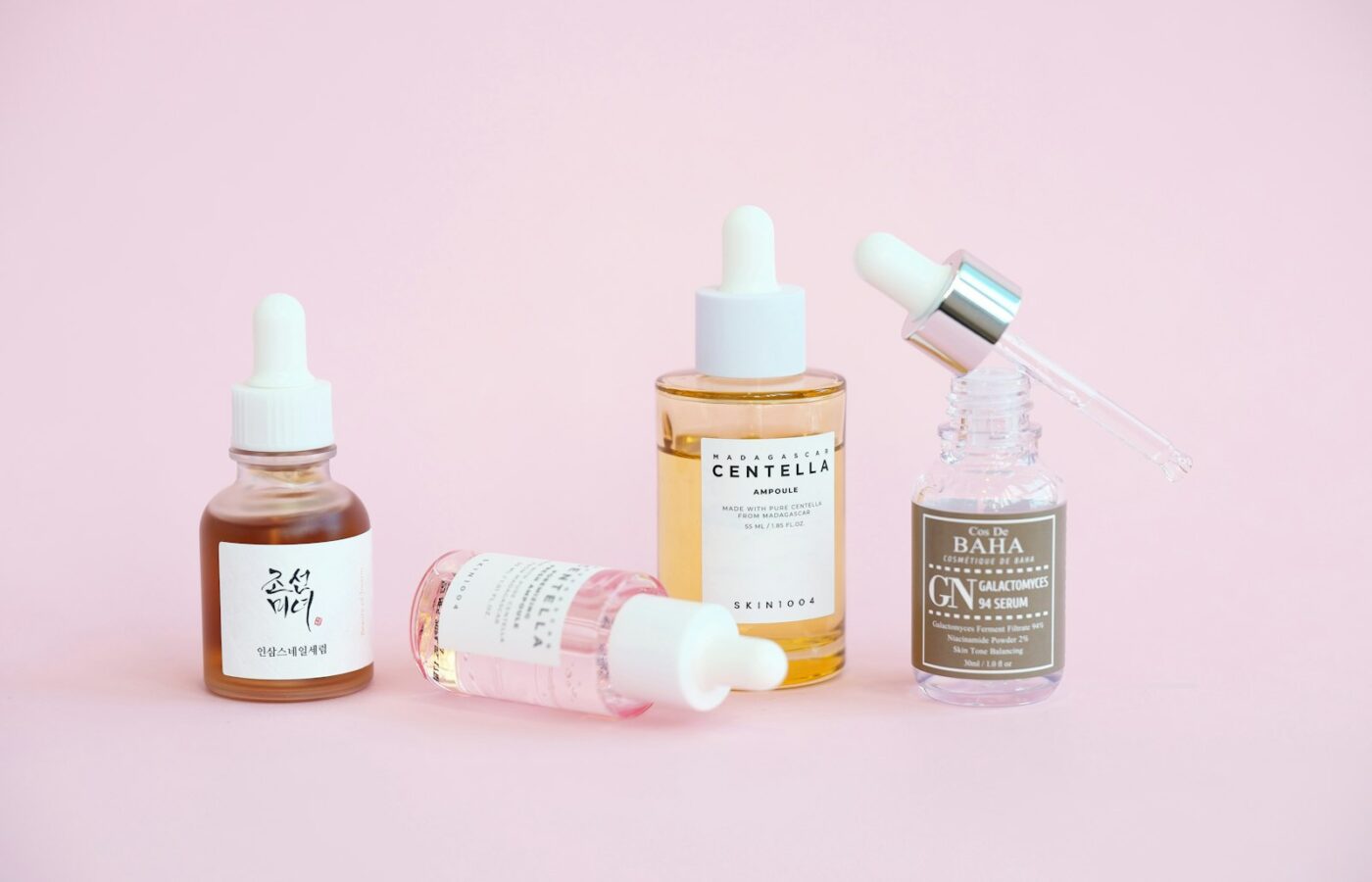
Korean skincare, often called K-beauty, focuses on gentle cleansing, layering lightweight hydrating products and daily sunscreen to keep the skin barrier healthy. The famous 10-step routine is more marketing than rule: most people get the benefits with four or five well-chosen steps.
The core ideas
- Gentleness first: low-pH cleansers and mild formulas rather than harsh scrubs.
- Hydration in layers: several thin, watery layers instead of one heavy cream.
- Prevention: daily sun protection and barrier care rather than fixing damage later.
The typical steps
| Step | What it does | Needed? |
|---|---|---|
| Oil cleanser (evening) | Dissolves sunscreen and makeup | Useful if you wear both |
| Water-based cleanser | Removes sweat and residue | Yes |
| Toner | Adds a first layer of hydration | Optional |
| Essence or serum | Targets a concern such as dullness or redness | Optional |
| Moisturizer | Seals in hydration | Yes |
| Sunscreen (morning) | UV protection | Yes |
| Sheet mask | Occasional extra hydration | Optional |
The combination of an oil cleanser followed by a water-based cleanser is known as double cleansing.
Popular K-beauty ingredients
- Centella asiatica (cica): widely used in soothing products for irritated skin.
- Snail mucin: a hydrating ingredient found in many essences.
- Rice and ginseng: traditional ingredients associated with hanbang, Korean herbal-inspired skincare.
- Niacinamide and hyaluronic acid: common in toners and serums for tone and hydration.
- Propolis: a bee-derived ingredient used in nourishing serums. Avoid it if you are allergic to bee products.
Korean sunscreens: what to know
Korean sunscreens are popular for their light textures. Their labels show an SPF number plus a PA rating (PA+ to PA++++) for UVA protection. Some of them use UV filters that are not approved in the United States, so products sold there may differ from the Korean versions. In Canada, look for a DIN or NPN on the package, which shows Health Canada authorization.
A simple K-beauty-inspired routine
- Morning: water rinse or gentle cleanser, hydrating toner, moisturizer, sunscreen.
- Evening: oil cleanser if you wore sunscreen or makeup, gentle cleanser, toner or essence, moisturizer.
- Once or twice a week: a sheet mask.
Add new products one at a time and patch test first. New to skincare? Start with our simple routine for beginners.
Go further
For deeper K-beauty product guides, our sister sites Anua Life, Beauty of Joseon Info and Melaxin cover specific Korean brands and ingredients. Before buying, read how to compare skincare products.